
Here is what it looks like when we fix that and what becomes possible on the other side. These examples show the structural problems that appear most often in practices built around expertise and frameworks.
Knowledge architecture is the structure that organizes, connects, and maintains everything you know and create. When it breaks down, your leverage disappears quietly.
Every day you operate without structural clarity, you spend time rebuilding what already exists, updating what has already drifted, and searching for what has already been made. That gap compounds.
Structural visibility means you can find, update, and reuse your best work without friction, every time.
When your intellectual property (your frameworks, methods, and materials) grows faster than the systems holding it, that visibility disappears. The symptoms stay quiet. You rebuild from memory. Frameworks drift. Assets go missing. Over time, those small inefficiencies chip away at your leverage.

Content Steady designs structured knowledge systems for professionals whose intellectual property has expanded beyond the systems managing it.
We present the examples below as composites so you can recognize these patterns in your own practice.
The examples below are representative. Details are intentionally generalized to protect proprietary systems.
Led by a knowledge systems architect, this work draws on a master of library science and certifications in UX design and related disciplines.
Initiate a Structural Assessment
This work is not about organizing files. It is about structural visibility.
Structural visibility means you can reliably retrieve, update, and leverage your intellectual property without friction.
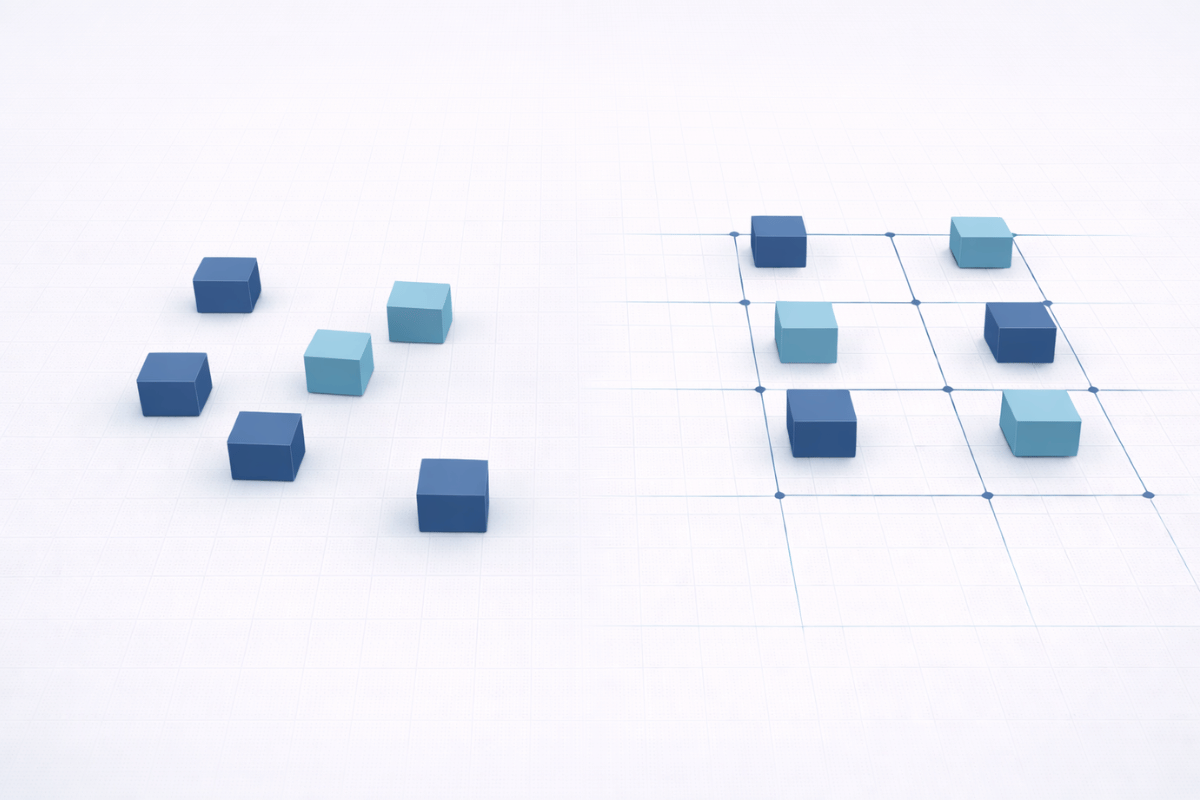
When structure weakens:
• Version drift increases
• Duplication compounds
• Preparation time expands
• Marketing disconnects from delivery
The Clarity Review redesigns the architecture beneath your work so frameworks, deliverables, and workflow align cleanly.
This is a structural redesign of intellectual infrastructure. It is not productivity consulting or operational support.
Each system is custom-built around the client’s intellectual property and workflow.
These are three structural patterns we see consistently when expertise expands across frameworks and intellectual property. They rarely appear in isolation. If your specific friction does not map cleanly to one of these, the Structural Assessment is the right place to begin.
Commonly seen in consultants with flagship methodologies
Over time, a core framework drifts across years of delivery. Updating your intellectual property requires editing scattered files by hand. The issue is not effort. It is structural. Your frameworks exist, but no single authoritative version governs them.
What This Looks Like:
• Multiple framework versions with no single authority
• Delivery materials drifting from core models
• Redundant files stored under inconsistent names
• Updates applied unevenly or ignored
Changes require manual edits across scattered files
What Architecture Fixes:
• Centralized framework library as single authority
• Framework-to-asset alignment across formats
• Naming conventions that prevent duplication
• Systemwide update propagation across assets
Updates begin from one governed location
The Shift: Update once, reflect everywhere. Preparation cycles shorten. Alignment holds across every format.
Commonly seen in boutique agencies and multi-service practices
Every new client feels like starting over. You recreate similar materials from scratch every time because no structure exists to prevent it. This is a modular assembly problem. The components exist, but there is no architecture to connect them.
What This Looks Like:
• Proposals rebuilt from memory each engagement
• Slide decks recreated for similar work
• Exercises and onboarding scattered across folders
• Hidden duplication slows delivery
Hidden duplication slowing your team's thinking and movement
What Architecture Fixes:
• Reusable building blocks reduce recreation
• Proposal language library creates starting points
• Defined assembly paths connect components
• Central component library clarifies what exists
Assembly pathways make it easy to put the right materials together quickly
The Shift: Assemble instead of rebuild. Delivery accelerates. Consistency stabilizes. Intellectual capital compounds.
Commonly seen in authors and educators with multi-format intellectual property
As your intellectual property expands across formats, messaging drifts. Your book, course, and keynote no longer share the same foundation. The content exists in multiple places, but nothing connects it.
What This Looks Like:
• Assets spread without a shared organizing system
• Framework messaging shifts between core channels
• Content grows without structural cohesion
• Legacy assets difficult to locate or reuse
Retrieval slows as formats multiply
What Architecture Fixes:
• Unified intellectual property map across formats
• Clear separation of core frameworks and applications
• Structured filing and tagging system
• Cross-format alignment anchored to core models
Every format references the same foundation
The Shift: Reuse across channels. Messaging stabilizes. Intellectual cohesion strengthens.
This is what it feels like when your expertise has outgrown your systems.
Before Architecture:
• Frameworks fragment across channels
• Versions drift out of date
• Work rebuilt from memory each time
• Assets disappear into scattered folders
Growth increases complexity and friction.
After Architecture:
• Central library stabilizes core frameworks
• Governed versions remain current
• Reusable components replace rebuilding
• Structured systems keep assets findable
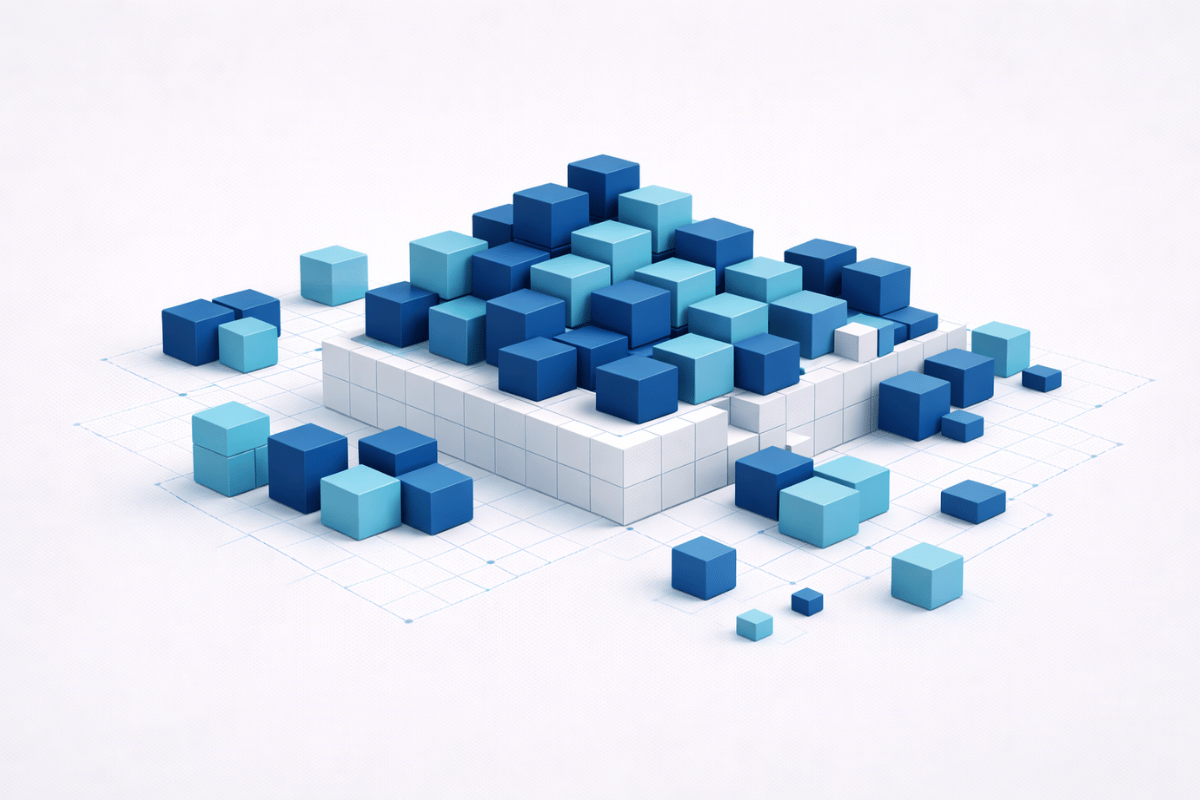
Growth strengthens the system instead of straining it.
When architecture stabilizes, intellectual property compounds rather than disperses.
We work with practitioners who have spent years turning expertise into frameworks, programs, and materials that deliver results.
Your intellectual property is substantial. The structure holding it has not kept pace.
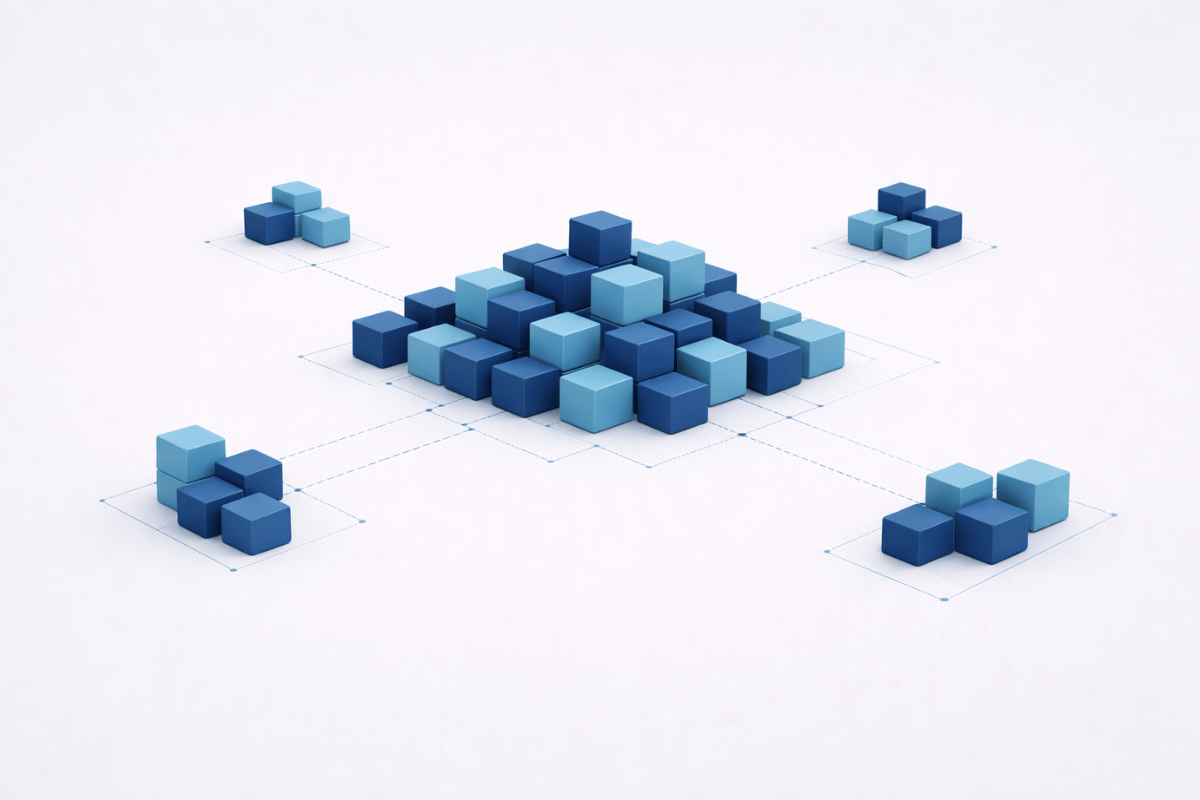
It is especially valuable for:
• Consultants with proprietary methods
• Coaches refining program frameworks
• Authors aligning books and offers
• Course creators scaling curriculum
This engagement assumes existing intellectual property. It is not designed to create frameworks from scratch.
You have more intellectual property than your systems can hold.
Preparation takes longer than it used to.
Reusing materials requires searching or rebuilding.
Formats expand, but structure does not.
Inconsistencies begin to surface.
Growth without architecture increases strain.
A focused diagnostic conversation to determine whether your intellectual property requires architectural redesign.
• Review how your materials are structured
• Identify structural friction and duplication
• Determine whether the Clarity Review fits
You leave with defined structural clarity regardless of next steps.
[ Begin Structural Assessment ]
How long does the Clarity Review take?
The Clarity Review is completed within four weeks. Scope, cost, and timeline are defined before we begin. The engagement is structured as a single flat fee.
Do I need to change tools?
No. If you already use tools such as Notion, Google Drive, or another workspace, the redesign happens inside your existing system. No migration required. If you do not yet have a formal knowledge system in place, we will recommend a simple foundation that supports clarity and long-term growth.
What if my situation feels different?
That is common. The Structural Assessment clarifies what is driving friction in your specific case and provides a clear recommendation.
© 2026 Content Steady. Knowledge architecture for experienced practitioners.